CBGL Collaborative Blog
Interested in contributing to the blog? Check out our Propose a Blog page for site guidelines, examples, and guidance.

Revealing our Roots: Dennis McCunney on shaping creative spaces within the Collaborative
Dennis McCunney works in the Center for Student Success at East Carolina University, and serves as adjunct faculty member within several ECU programs. Dr. McCunney has presented his research in several arenas. He serves on the board of directors for AllPeopleBeHappy, a global learning nonprofit. Recently he shared his Collaborative origin story with us.
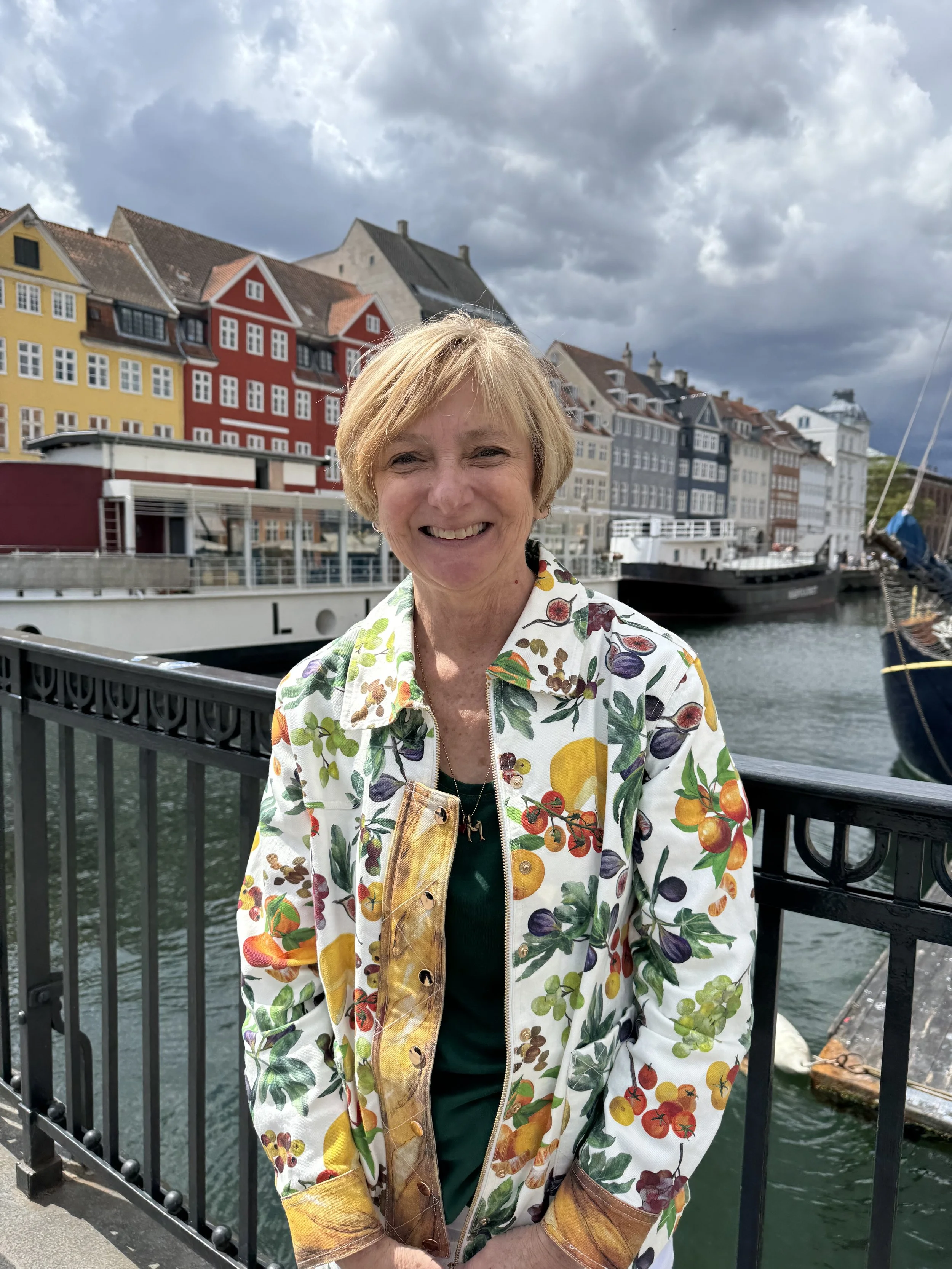
Revealing our roots: Maureen Vandermaas-Peeler’s Collaborative Origin Story
Maureen Vandermaas-Peeler is Professor of Psychology and Director of the Center for Research on Global Engagement at Elon University. Recently she shared her Collaborative origin story.
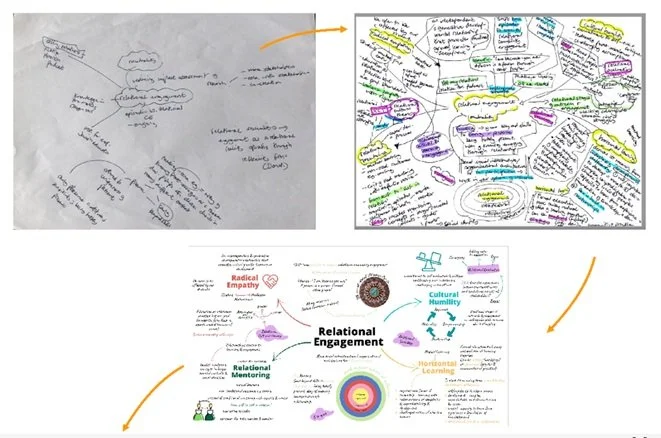
Relational engagement: A multi-faceted approach to exploring and understanding global learning across a range of contexts
The concept of relational engagement thus sits at the nexus of the intrapersonal, interpersonal, and organizational contexts. Significantly, it moves from thinking about self (student or educator) to self-in-relationships, in contexts. In this way, it implies the idea of an ecosystems approach to global learning.

Revealing our roots: a conversation with Erin Sabato
Erin Sabato is Senior Director of Global Learning and Part-Time Faculty, Quinnipiac University. Since 2017 Erin has strengthened our network and shared work, and currently serves a member of our Advocacy Council. Here is her Collaborative origin story.
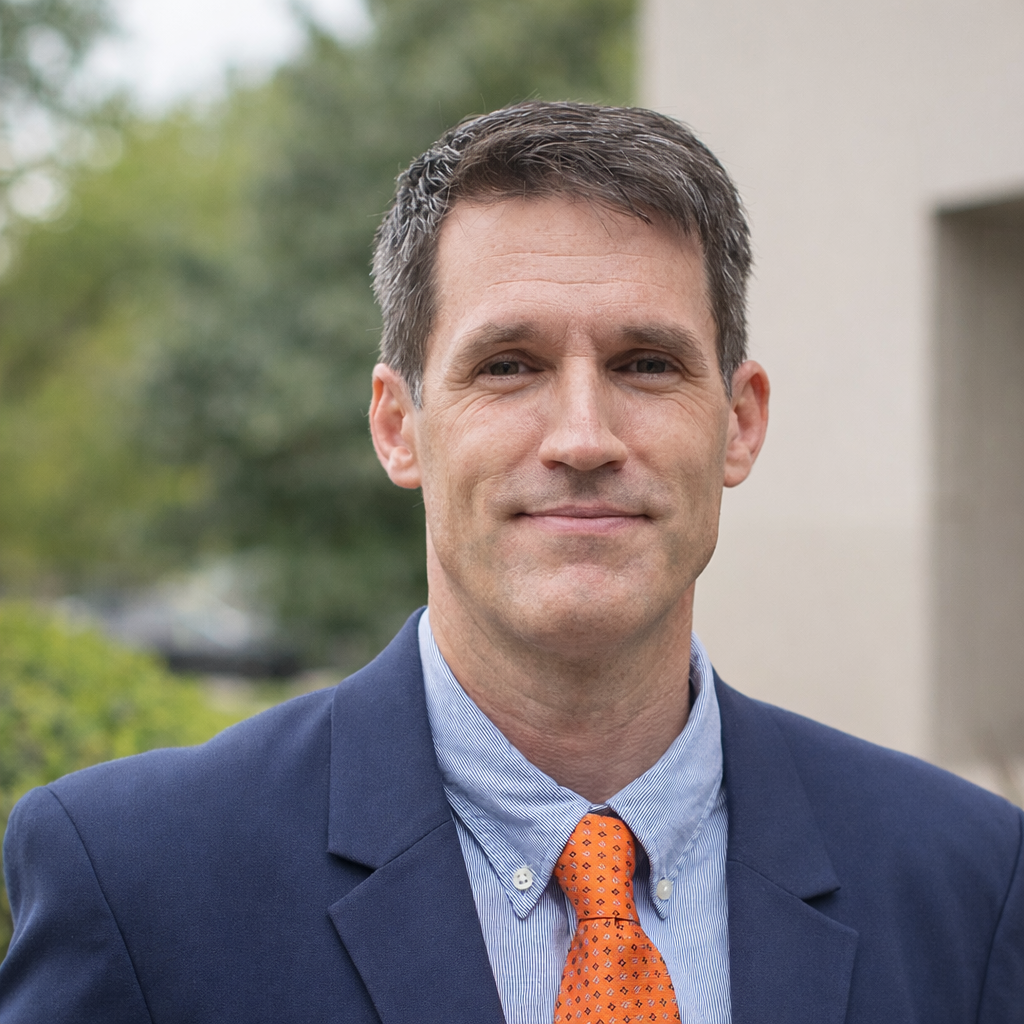
Revealing our Roots: A Conversation with Ben Lough
Ben Lough is former director of assessment and executive committee member of the Collaborative. He is Professor and Dean of the School of Social Work, University of Illinois Urbana-Champaign. Ben continues to serve as Senior Research Associate, Center for Social Development in Africa. He recently shared his Collaborative origin story with us.
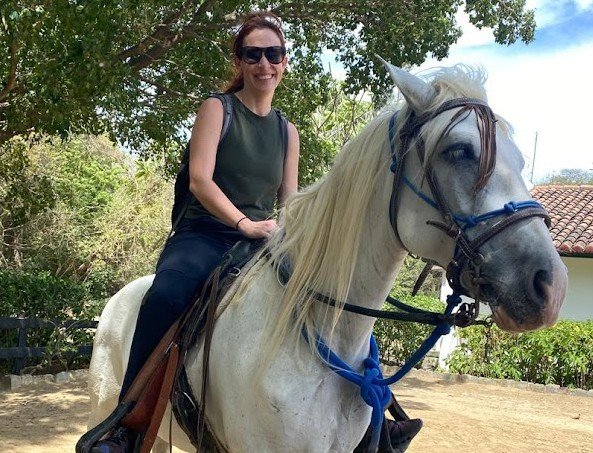
Revealing our Roots: A Conversation with Nora Pillard Reynolds
Nora Pillard Reynolds, PhD is former director of globalsl (the Collaborative). In her research, she utilizes participatory methods to explore multiple perspectives in civic engagement and community campus partnerships. Nora earned her MA in International Development at La Univerisidad Complutense de Madrid in 2004, MS in Elementary Education from St. Joseph’s University in 2006, and PhD in Urban Education at Temple University in 2016.

Reciprocity in a Moment of Unraveling
For those of us who work across borders, communities, and institutions, this is not merely a national crisis. It is a global pedagogical one. When reciprocity erodes in powerful nations, it reshapes what is possible in international collaboration, knowledge production, and civil society partnerships. It undermines the cultural conditions required for humility, for learning across difference, and for recognising our interdependence at a time when planetary challenges demand exactly that.

Revealing our Roots: A Conversation with Caitlin Osorio Ferrarini
Caitlin recently joined Worcester Polytechnic Institute’s Global School as an Assistant Teaching Professor. She has worked in the field of global experiential learning in Colombia and the United States as a field director, student advisor, professor, and researcher. We spoke with Caitlin recently about her leadership with the global engagement survey, her work in Colombia, and more.
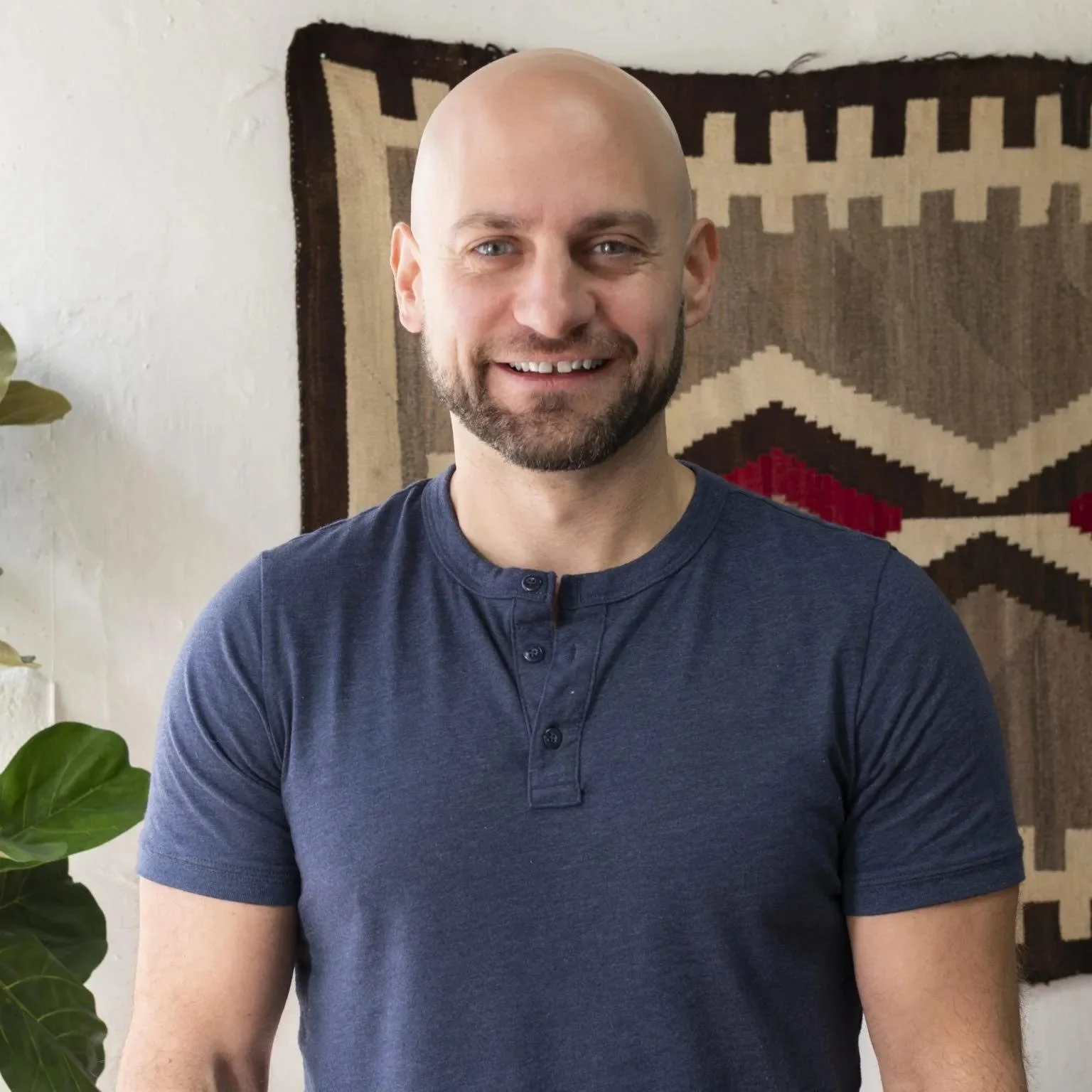
Revealing our Roots: A Conversation with Brandon Blache-Cohen
Brandon Blache-Cohen is the Executive Director of AllPeopleBeHappy (formerly Amizade). He has over 20 years of experience in the nonprofit, service-learning, and international development sectors. We spoke with Brandon recently about developing Fair Trade Learning, the snow-filled 2014 Institute in Central NY, and his current work.

Child Family Health International Becomes New Home for the Community-Based Global Learning Collaborative
Child Family Health International (CFHI) and the Community-Based Global Learning Collaborative (the Collaborative) are proud to announce that CFHI has been selected as the new fiscal sponsor and institutional home for the Collaborative, effective July 1, 2025. This strategic partnership brings together two leading organizations committed to ethical, community-centered global engagement and transformative education.
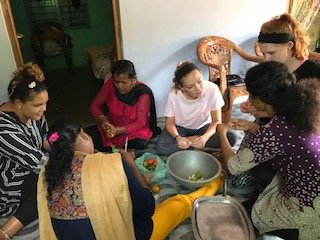
Beyond the Numbers: Rethinking Success in Higher Education Community Partnerships
How do we define “success” in community partnerships? Although quantitative metrics have value, the success of a partnership is perhaps best defined by qualitative benchmarks of reciprocity, trust, and mutual benefit.
Reflections on Collaboration for a Better World: Global Learning, Hope and Justice
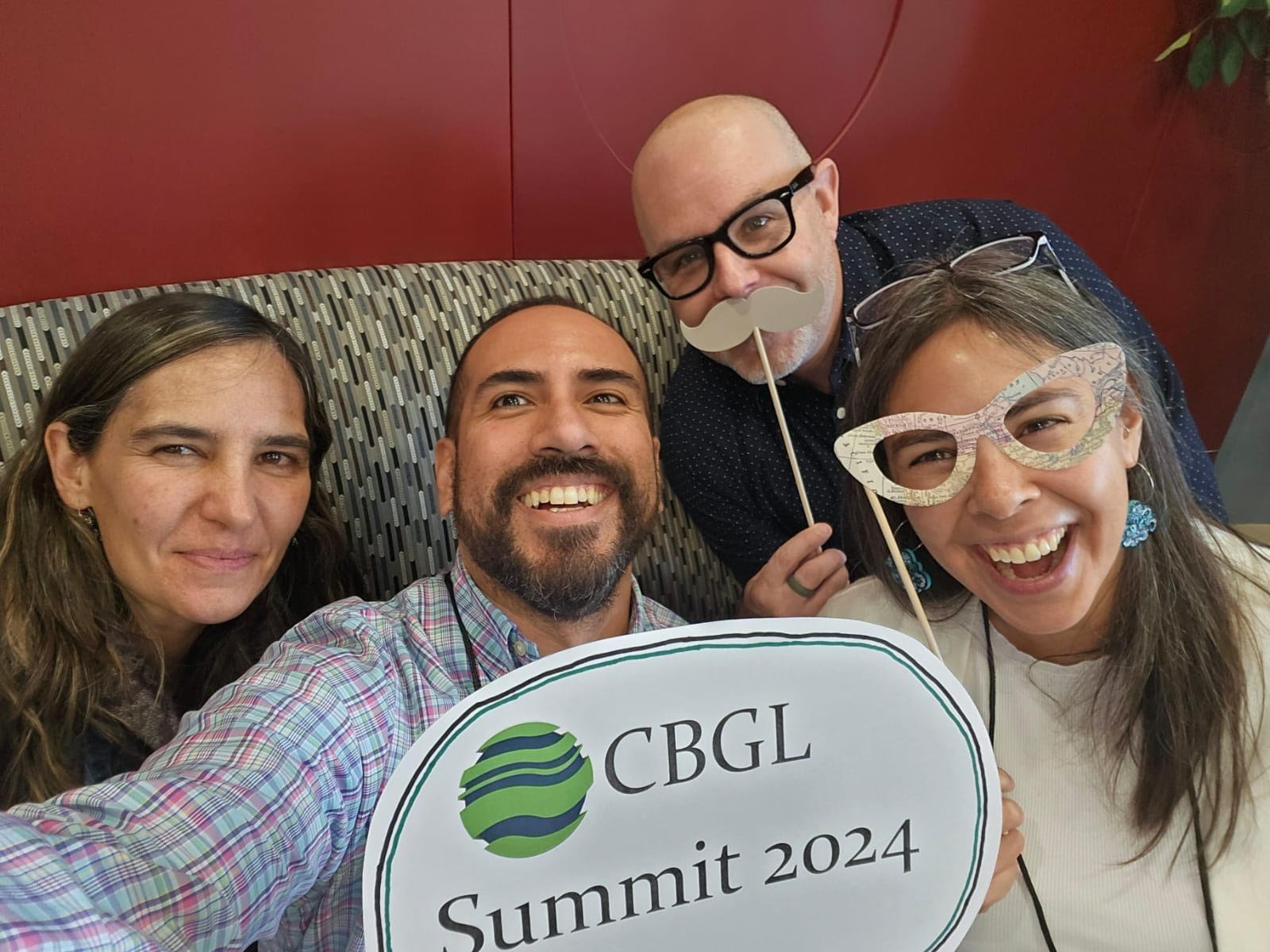
Pictured from left: Chochi Iturralde, Fundación Pachaysana; Diego Arispe-Bazán, Northwestern; Patrick Eccles, Northwestern; Sara McGuinn, Northwestern
At this year’s Summit it was refreshing to reconnect with old friends, current partners and meet new colleagues who reinforce my trust in what we are doing as a network. The 2-day event provided an important moment for reflection on what we need to do in the years ahead…
Re-making our Purpose: Students As Colleagues and Centering Student Leaders
As we sat in our online reading group meeting for the third time over winter break, about an hour into this particular meeting and 5 hours of previous discussion behind us, a silence bloomed and blanketed our discussion. It wasn’t your classic online meeting awkwardness, it wasn’t that we were lost discussing the issues at hand, instead it was a shared understanding that we just opened a box and that we couldn’t ever stuff the goods back inside. It was the moment of realizing that we had set off the first movements for liberation, that we were confronting, challenging and rejecting the status quo in order to better address student inclusion, belonging and success.

Using Rural University-School-Partnerships for the Higher Education We Need
Here, we consider higher education for the world we need, we advance the notion that we need to bring farm life generally, rural life specifically, from the margin to the center of higher education policy. Rural education K-16 often resides at the periphery of both the policy arena and academia (McShane & Smarick, 2018; Schafft, 2016; see also Center for American Progress, 2020). Not only is “The peripheralization of rural ... detrimental to rural people and places,” (Schafft, p. 138), “...a critical and pragmatic rethinking of education policy in the rural context may help to illuminate new educational practices that enhance the vitality of rural communities and clarify a U.S. rural policy” (p. 139). This is because, within rural communities, education is a principal site for rural social and economic development.

Weaving partnerships: Liberatory collaborations in community-based learning
In this blog post, I discuss how educators and program administrators can reimagine community-engaged global programs as tools for liberation. Drawing from research conducted as part of my doctoral dissertation on Community-Based Global Learning (CBGL) programs, I use excerpts from a collective testimonio to honor community voices in reimagining CBGL scholarship and practice.
Teaching History for the World We Need
I don’t know it for certain, but my brief time at Haverford College has led me to gather that the decision to hire me was prompted at least in part by the campus-wide strike of Fall 2020, led by a group of sagacious BIPOC students. After taking part in a summer of Black Lives Matter protests that shook awake American society and empowered young people to lead a multi-racial, intergenerational movement against the forces that oppressed the most vulnerable in our society, Haverford students returned to campus ready to make their school a place of empowerment. Among students’ demands for institutional change were the addition of courses that centered decolonial praxis, that is, philosophy and action. Their privileged education in the distant suburbs of Philadelphia would no longer mean their isolation from integrated approaches to grassroots activism.
Building A Practice of Hope in Higher Education
Perhaps most daunting about imagining higher education for the world we need is the indisputable fact that we are being asked to navigate a complex and turbulent world while sitting within institutional structures that reward us for exclusion, binary thinking, silos and narrow expertise instead of inclusion, interdependence, collaboration and iterative processes.

Expanding Epistemological and Practical Considerations of Merit & Rigor in a University Honors Program: Why It Matters
When I, a career community engagement professional and administrator with an academic-activist identity in environmental sociology, was approached in Spring 2022 about the possibility of taking on leadership of our University Honors Program, I looked behind me to make sure it was me being asked. As someone for whom community engagement and social justice are core values and drivers in my work, I admittedly saw not just our Honors Program, but the institution of ‘Honors’ as I have come to know it to be in stark contrast with those deeply held beliefs.

Abolitionist Pedagogy, Abolitionist Poetics
Poetry is not a luxury for the colonized, the enslaved, the exploited, the silenced. It is not a luxury for the incarcerated and formerly incarcerated poets, artists, activists, and intellectuals we’ll be reading and talking to over the course of the semester. But is it a luxury for “us,” the “us” of the liberal arts classroom, with our access to technology, to the communal kitchen, to the intellectual property of people in prison?
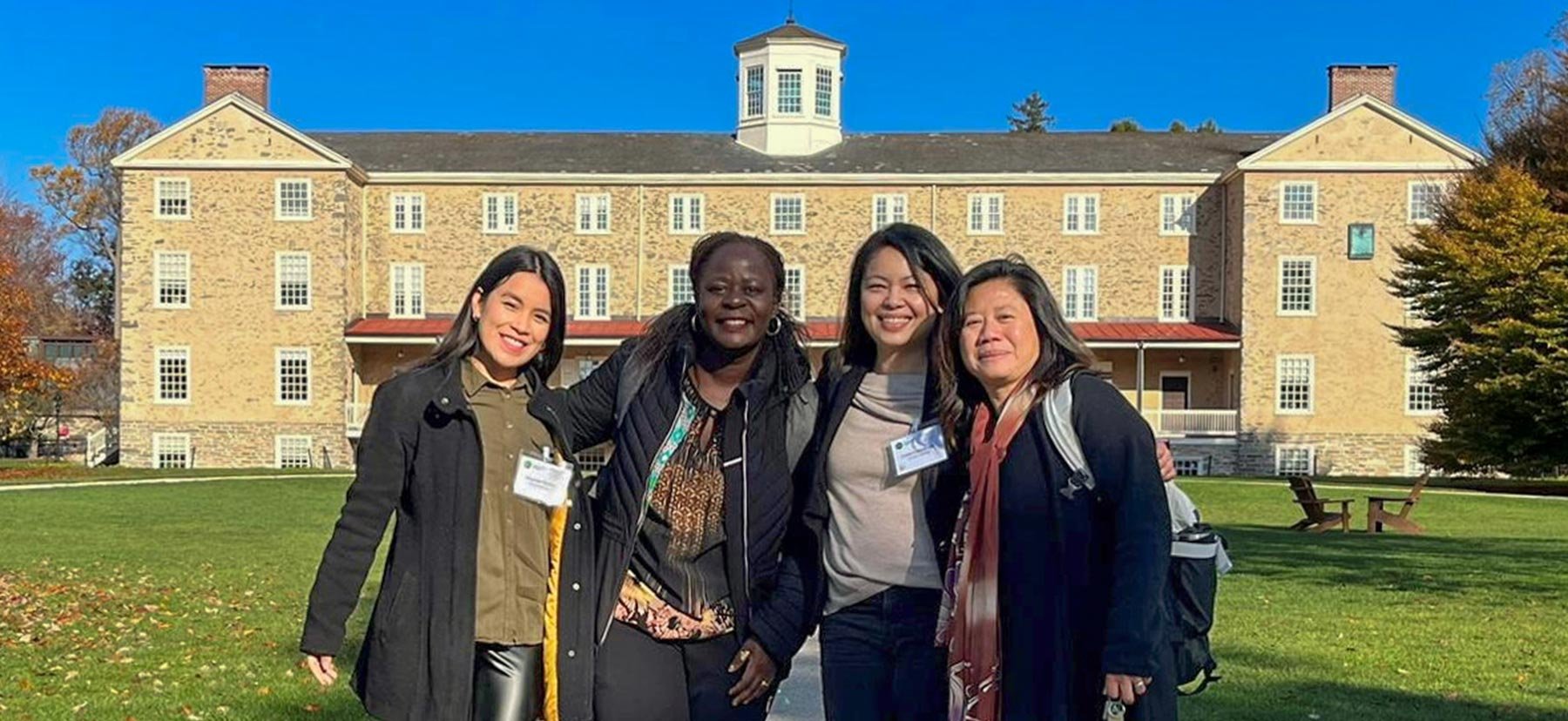
Resources From the 2023 Collaborative Institute at Haverford College
Agenda and resources (Powerpoint presentations) from the 2023 Collaborative Institute at Haverford College.